Discover the Life-Changing Power of a Meditation Retreat
A meditation retreat slows life enough for you to notice what your mind does on autopilot. Intentional planning prevents over-scheduling and lets silence do its work. This guide explains how to pick teachers, structure days, choose locations, and care for your body so you can stay present. With a few smart choices, you arrive grounded, progress steadily, and carry clarity back into daily routines. It also helps you notice early signs of overwhelm—like fidgeting or shallow breath—and adjust before focus collapses. Preparation makes the difference between a peaceful container and a tiring marathon. Think of the retreat as practice for meeting everyday stress with steadiness rather than as an escape you cannot repeat. Expect boredom and restlessness to visit; meeting them kindly is part of the work. Agree on simple signals with facilitators so you can request support without breaking silence.
Set intentions and limits for this meditation retreat
Name two or three outcomes you want, such as easing rumination, deepening breath, or observing emotions without judgment. Decide how many hours of seated practice you can manage without strain and whether silence rules feel supportive or stressful. Share mobility or health needs early so staff can adjust seating or breaks. A clear frame turns a long weekend into a focused container instead of a marathon. If you have a therapist or coach, let them know your plans so you have support before and after. Outline what you will do if strong emotions surface—step outside, journal, or request a brief check-in—so you feel prepared. Clarify how you will handle phones or devices, since notifications can pull you out of the work quickly. Choose a simple grounding phrase to repeat if anxiety spikes so you can re-center quickly.
Select teachers and formats that fit your experience
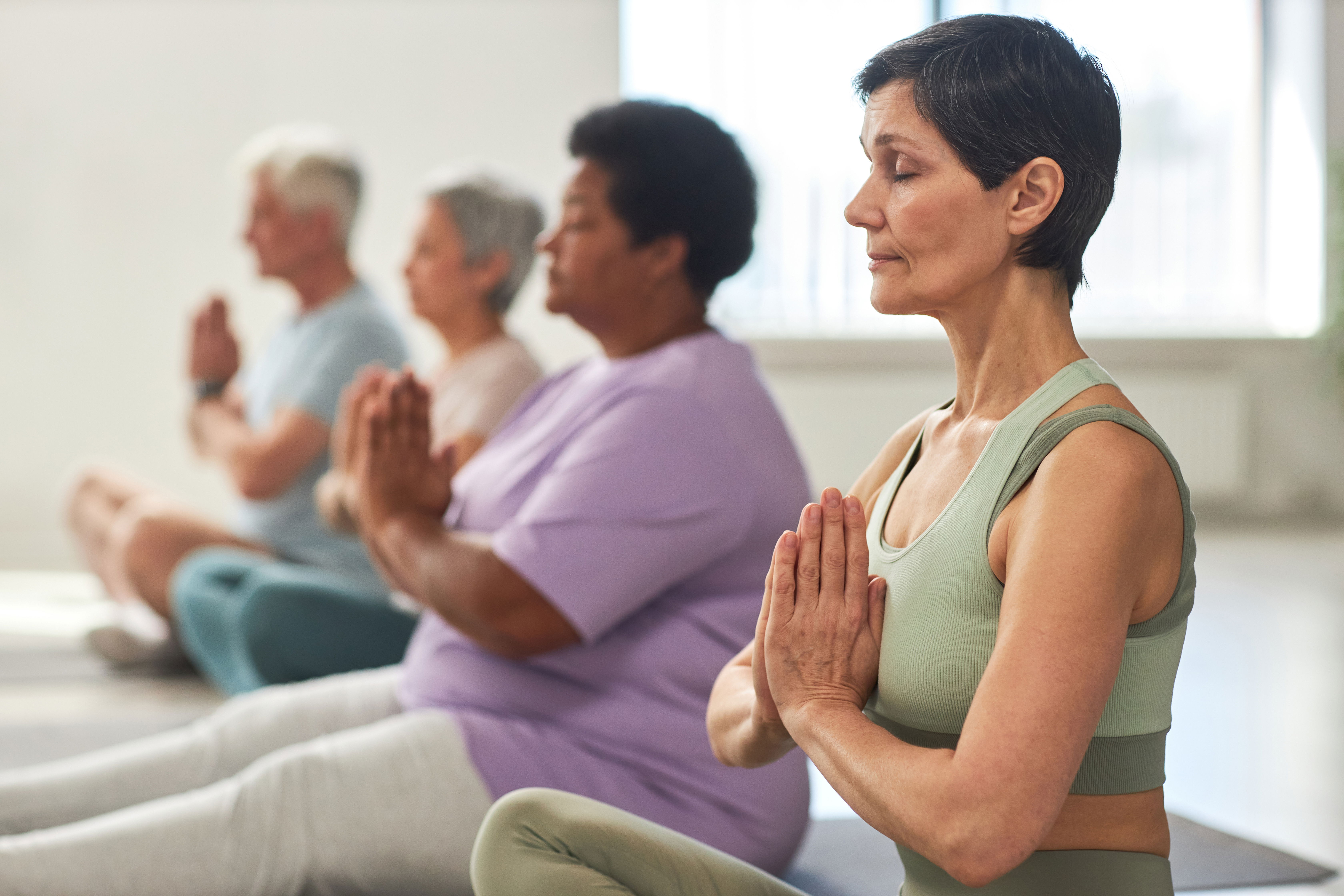
Some teachers emphasize posture and breath, others lean on philosophy or neuroscience. Review recordings when possible to hear pacing and tone. If you are newer, pick facilitators who explain techniques before long sits and offer guidance during difficulties. A meditation retreat Europe venue might pair local teachers with guest instructors, so check bios and languages to ensure you feel supported. Ask how many students each teacher supports and whether there is space for questions after formal sits. If you prefer secular framing, confirm that the language used will align with your comfort zone so you stay engaged. If possible, read testimonials that mention how teachers respond when someone struggles, so you know the culture is compassionate. Knowing these details keeps you from feeling lost when the room falls quiet. If translation is needed, confirm whether live interpretation or written materials are provided.
Design daily rhythms that balance focus and rest
Anchor the day with a solid morning sit, a mid-morning walking practice, and an afternoon session with instruction. Include mindful movement to keep circulation healthy and to release tension from longer sits. At least once daily, add journaling or mindful eating to integrate insights. If you want variety, a mindfulness retreat Europe program often blends sitting with light yoga to keep the body comfortable. Use a timer to keep sits honest and to mark gentle breaks for stretching. If sleep suffers, shorten evening sessions and add a restorative posture so your nervous system can wind down. Vary focus objects—breath, sound, body sensation—to keep attention fresh while staying within your chosen method. Log what worked each day so you can repeat the pattern that feels most supportive. Include one short period of open awareness to practice meeting whatever arises without gripping.
Choose a setting that supports stillness
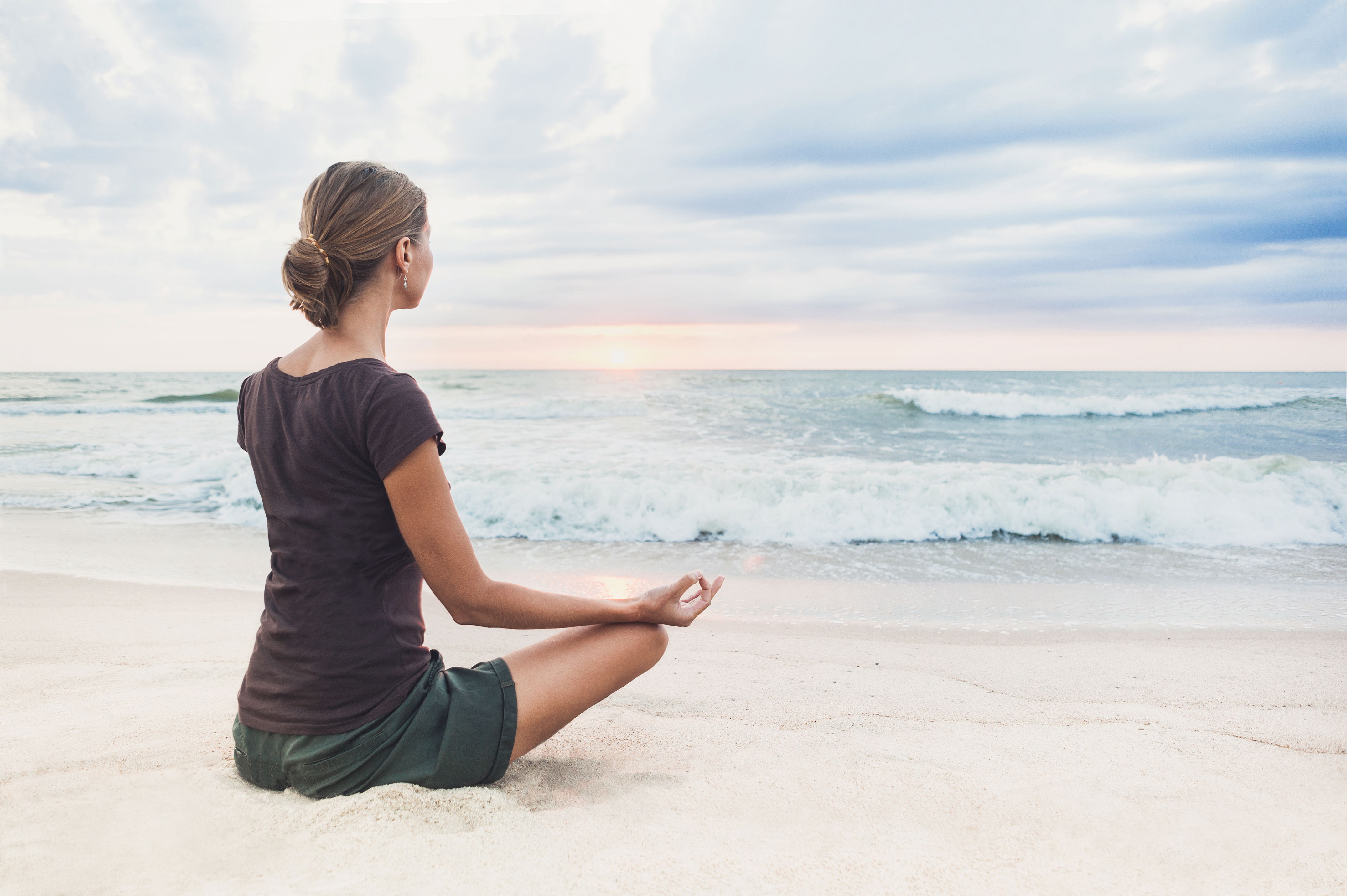
Quiet environments reduce sensory load and help you stay with the practice. A meditation retreat Italy option might offer monastery-like calm with simple rooms, while mountain settings provide clean air and space to walk. If flying far, arrive a day early to adjust. Pack layers, a cushion that suits your hips, and simple footwear for walking meditation. Ask whether rooms have blackout curtains, how sound travels between spaces, and if there are designated silence zones. These details keep distractions low so you can stay present. If you are sensitive to light or noise, bring earplugs, an eye mask, and a small fan or white-noise app to create a consistent sleep environment. Check whether meals are communal or silent so you can plan for the type of interaction that supports your focus.
Care for your body so your mind can stay present
Staying still is easier when hydration, meals, and rest are steady. Eat light dinners to sleep well and wake clear. Mix seated and walking periods to avoid strain, and use props to support knees or back. If tension rises, swap one session for gentle stretching or breathwork, then return to sitting with less discomfort. Bring electrolyte packets, a tennis ball for self massage, and eye drops if dry eyes distract you. Small comforts reduce the chance that physical aches will pull attention away from practice. Check in with facilitators if pain persists; a minor adjustment to posture can prevent larger setbacks. Schedule short walks between sessions to refresh circulation and keep joints comfortable.
Conclusion
A meditation retreat teaches you to meet stillness without fighting it. By clarifying goals, choosing teachers with care, shaping a humane schedule, and tending to your body, you protect your focus. Carry home the practices that worked, such as short sits, walks, and mindful meals, and keep using them so the clarity you found on retreat becomes part of daily life. Plan a weekly pause during the first month back to revisit notes and adjust routines. Small, consistent practice will preserve the gains long after the suitcase is unpacked. Let friends know you may be quieter for a few days while you re enter, and protect that space to integrate gently. Note one win each day to remind yourself why the work matters. If focus wavers later, return to the smallest version of practice rather than stopping entirely. A five minute sit done daily beats a long session you never start. Keep expectations light so curiosity stays intact.
FAQ
How long should beginners sit at one time?
Start with 20 to 30 minutes and build gradually. Alternate sitting and walking to stay comfortable. If numbness appears, stand briefly, reset posture, and return. Comfort supports consistency.
Do I need silence the entire time?
Not always. Many retreats offer partial silence with guided sessions, which can feel more supportive. Test short silent periods at home and choose a format that helps you stay present.
What should I bring for comfort?
Bring a cushion or bench, layers, a refillable bottle, simple walking shoes, and a notebook. Extras like a small blanket, eye drops, or a timer can make longer sits easier.


