What to Expect from a Spiritual Retreat
A spiritual retreat gives you space to ask bigger questions without the noise of daily obligations. With clear intentions and supportive guidance you can explore belief purpose and healing at a pace that feels honest and grounded. This guide covers intentions facilitators schedules and locations so your time away creates insight you can live not just remember. It also helps you balance openness with healthy boundaries so exploration stays safe and contained. The more you prepare the easier it is to stay present when emotions run high. Think of the retreat as a container for practice not a test small insights can be just as valuable as dramatic breakthroughs. Preparation keeps you rooted enough to notice subtle shifts without getting swept away.
Clarify intentions before your spiritual retreat
Before your spiritual retreat write down what you hope to understand a decision you face a loss you are processing or a shift in purpose. Defining the question helps you choose the right format and avoid programs that pull you off track. Share boundaries and expectations with facilitators so they know how to support you whether that means quiet reflection guided dialogue or professional emotional support. Grounding yourself before arrival allows the retreat to hold you rather than overwhelm you. Choose one or two practices you already trust such as breathwork or journaling and return to them if emotions feel intense. Set an intention to notice small shifts instead of chasing dramatic breakthroughs which keeps pressure low. Plan how you will step away briefly if emotions spike a short walk or a few slow breaths so you can return when ready. Rest is part of the process schedule it intentionally rather than squeezing it in.
Choose facilitators who match your tradition and style
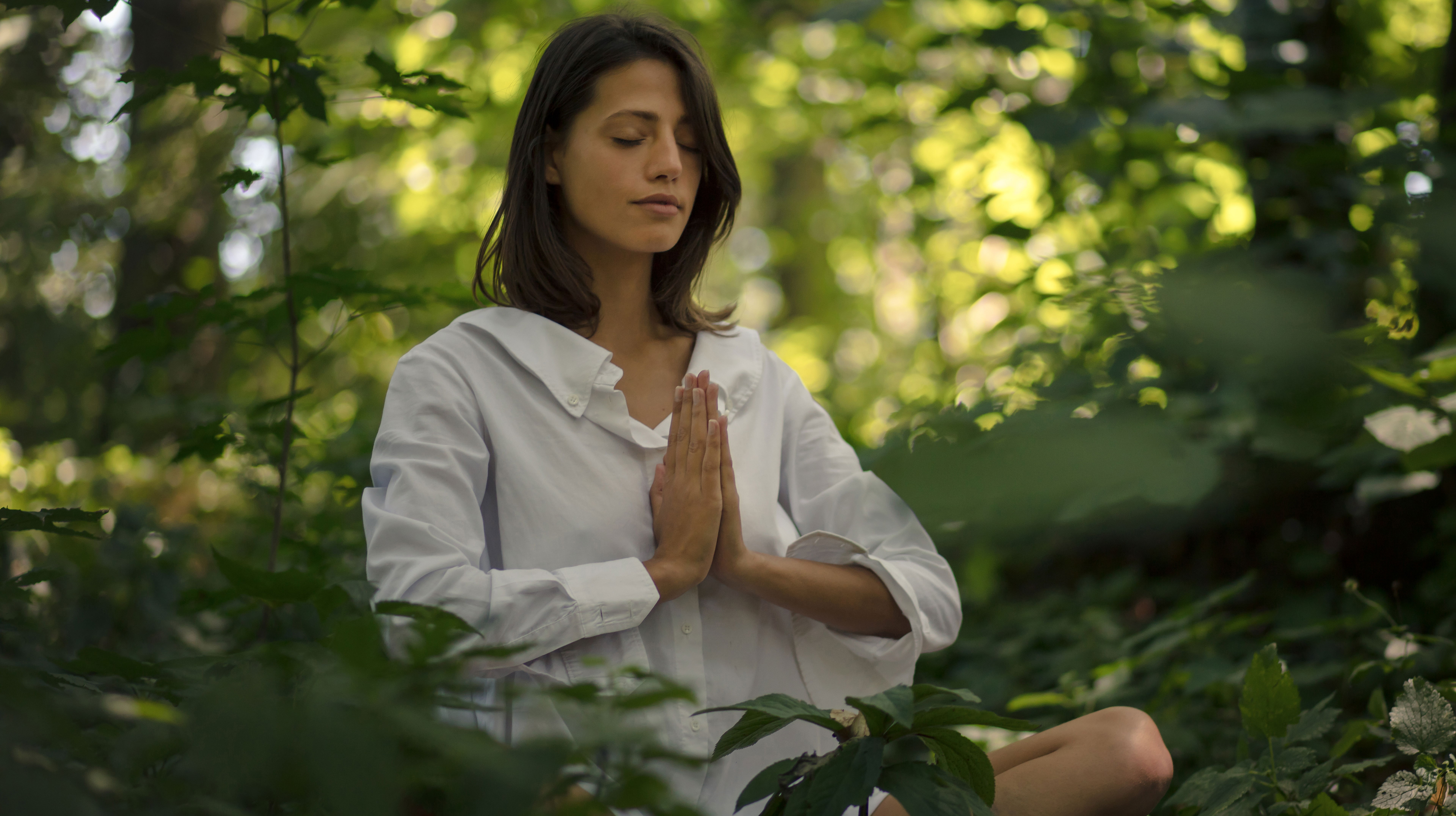
Look for facilitators who respect your background and can translate spiritual insight into daily life. If you prefer gentle direction choose leaders skilled in listening as well as teaching. For a spiritual retreat that includes emotional depth confirm whether trained counsellors psychotherapists or chaplains are available to support difficult moments. Safety and trust are the foundation for meaningful insight. Ask how facilitators handle spiritual doubt disagreement or the need for privacy. If doctrine matters to you review past talks or writings to understand the lens through which teachings are shared. When retreats blend traditions ensure you feel comfortable engaging with multiple perspectives without pressure to adopt beliefs that do not resonate. Clear alignment up front reduces friction once you are in a reflective state.
Shape a schedule with both structure and stillness
A well designed spiritual retreat balances guidance with spaciousness. Combine facilitated sessions with unstructured time to process what you hear and feel. Include practices that integrate body and spirit such as walking meditation or gentle contemplative movement so insights are embodied rather than purely intellectual. For a holistic healing retreat experience blend silence reflective writing and simple teachings. Leave space each day to rest wander or breathe outdoors. Simple morning and evening rituals lighting a candle noting gratitude or slow breathing help mark transitions. Capture insights without judgment and revisit them later with a trusted mentor or professional guide. Protect at least one daily block for quiet so ideas can settle rather than accumulate. End each day with a brief reflection on what felt true what felt challenging and one thing you appreciate.
Support inner work with community wisely

Community can deepen a spiritual retreat when the culture is healthy and well held. Ask how sharing circles are facilitated and what agreements protect confidentiality and emotional safety. If you prefer a more personal focus look for retreats with optional group sharing and access to one to one guidance. For those navigating change or vocation a coaching style retreat with individual sessions may feel more supportive. Pay attention to how you feel after group sessions if you feel depleted step outside or journal before rejoining. Healthy community respects silence as much as expression. Clear beginnings and endings to sharing rounds help everyone feel contained. If conflict arises confirm facilitators have tools to de escalate and protect the group dynamic.
Pick a setting that holds your process
The environment plays a powerful role in a spiritual retreat. Natural settings help calm the nervous system and make it easier to listen inward and reflect with clarity. Many people find that spiritual retreats in Europe, particularly in quieter Mediterranean locations, offer a supportive balance of beauty simplicity and space. Simple accommodation time outdoors and a slower pace can gently support the inner process without distraction. Consider travel time dietary needs and accessibility so your body is cared for while you engage in deeper work. For some participants choosing a retreat with facilitators trained in counselling or psychotherapy adds an extra layer of safety structure and emotional containment. Notice noise levels access to nature and whether you have private space to decompress between sessions. If you are sensitive to your surroundings bring grounding items such as a journal a familiar scarf or a meaningful photograph. Check sunrise and sunset times to plan reflection windows and pack layers suited to the climate. If travel feels demanding consider adding a rest day before and after so your body can fully settle into the experience.
Conclusion
A thoughtful spiritual retreat allows you to explore meaning with clarity safety and depth. By defining intentions choosing aligned facilitators balancing activity with rest and selecting a supportive setting you return with practices you can sustain. Bring home one or two simple rituals morning stillness or evening reflection to stay connected to what you discovered. Schedule time with a trusted friend mentor or counsellor after returning to support integration. Let the retreat shape small daily choices rather than waiting for another experience to reconnect. Revisit your notes weekly during the first month to keep insights alive. Adjust gently if something no longer fits instead of abandoning the practice. Progress is often quiet. Give yourself credit for small shifts and measure success by kindness toward yourself and your ability to stay present. Protect one weekly pause after you return to keep listening inward. If you need support ask a friend mentor or counsellor to check in with you during the first week back.
FAQ
How long should a first-time spiritual retreat be?
Three to five days is long enough to disconnect from routine and settle into reflection without feeling adrift. Longer stays work well if you have built stamina for silence and introspection. Start shorter, then extend in the future once you know how your energy responds. Notice how you feel on day three to gauge if more time would help or hinder. Bring a plan for re-entry so you do not lose insights in travel.
What if I am unsure about group sharing?
Choose programs with optional circles and clear confidentiality guidelines. You can opt for one-on-one time with facilitators while joining group sessions that feel safe. Step back when needed; healthy groups respect both speaking and silence. You can always listen first before choosing to share. Ask about quiet reflection spaces you can use between circles.
How do I prepare practically?
Set an out-of-office message, limit device use, pack layers for comfort, and bring a journal. Share dietary or accessibility needs early so hosts can plan for you. Pack a small talisman or photo that grounds you if emotions swell. Bring a refillable bottle and snacks approved by the host to stay steady between meals. Tell a trusted person when you plan to check in so you feel supported but not tethered.